Featured
Happy trails: National Day of the Cowboy celebrates western music, poetry


Published
Modified
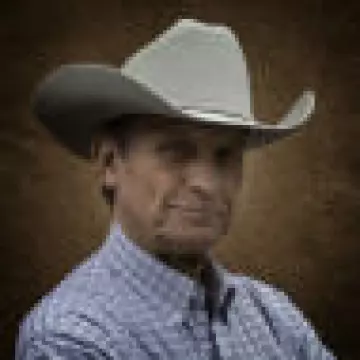
Steve Cormier is fond of saying he doesn鈥檛 write 鈥渞ide into the sunset songs.鈥�
What Cormier, a veteran Western musician, means is that the cowboy songs he pens are rooted in the life of actual, hardworking cowboys, not the romanticized version usually depicted in movies, TV and popular music.
鈥淚 used to do cowboy work, so I know the difference,鈥� Cormier, 76, said. 鈥淚t鈥檚 hard work. It鈥檚 a myth that cowboys just ride horses. They buck hay, they do fence work, they pull calves, vaccinate cattle, shoe horses. It doesn鈥檛 hurt to have (cowboy) experience when you sing the songs. What it all boils down to is what you sing about.鈥�
National Day of the Cowboy celebrates western music, poetry
Cormier is among those who will be performing at a National Day of the Cowboy concert from 11 a.m. to 5 p.m. Saturday, July 27, at El Zocalo Event Center, 264 South Camino Del Pueblo in Bernalillo.
The New Mexico chapter of the International Western Music Association is presenting the free event, which will feature food trucks, vendors and art, as well as Western music and cowboy poetry.
Cormier performs at 2 p.m. on Saturday.
Others in the lineup are The Peralta Playboys, fiddler and mandolin player Chuck Roberts and singer-songwriter Tony Duarte at 11 a.m.; Jerry Lee of Milan at noon; Michael Coy, who sings about homesteaders and farmers, as well as cowboys and ranchers, at 1 p.m.; and Carlos Washington鈥檚 Steel Horse Swing, a band that mixes Western swing with classic rodeo and cowboy songs, at 3 p.m.
Cowboy poets Bernard Carr, Ted Coffman and PJ Ross will serve as masters of ceremony and perform between the music acts.
The National Day of the Cowboy is celebrated annually on the fourth Saturday of July to bring attention to and protect cowboy culture and pioneer heritage.
Cormier thinks that鈥檚 just fine as long as the day is devoted to the real deal.
鈥淚 would like to know how they are defining cowboy,鈥� he said. 鈥淢y definition is pretty narrow. For me, it鈥檚 a man or a woman who works with cows.鈥�
Sitting and listeningTwo straw cowboy hats and several pairs of chaps hang just inside the front door of Cormier鈥檚 East Mountain home. All look as if they have been worked in 鈥� a lot.
For more than nine years, he was a day work cowboy, hiring on as temporary help at ranches in the Flint Hills of Kansas and in eastern New Mexico. He worked at gentling horses, moving cattle, loading hay, whatever was needed.
He rode bareback broncs on a rodeo circuit for a few years, in the late 鈥�70s and early 鈥�80s.
鈥淚 was just good enough at rodeo to know I wasn鈥檛 good enough,鈥� Cormier said. 鈥淭urns out I was funnier than I was good.鈥�
Cormier was born in Minnetonka, Minnesota, where, he notes, Tonka Toys are made. His was not a cowboy family. His father was a sales rep for an oil company.
He started playing guitar while attending South Dakota State in Brookings, and he met cowboy singer and storyteller Glenn Ohrlin, whom he considers his music mentor, at a concert in Brookings.
鈥淚 learned songs from just sitting and listening to him,鈥� Cormier said.
Cormier earned a bachelor鈥檚 degree in history from South Dakota State and a master鈥檚 in American history from Wichita (Kansas) State University. He started doing cowboy work to make some money after completing his master鈥檚.
In the late 鈥�90s he got a doctorate in American Studies, specializing in ranch history and culture, from the University of New Mexico. He taught history for 22 years at Central New Mexico Community College, starting there when the school was known as the Technical Vocational Institute, and was a professor of history for one year at New Mexico Tech in Socorro.
But these days, he concentrates on the music, performing eight to 12 shows a year in New Mexico and around the country.
His cowboying days are done, but that might be for the best because that life has changed.
鈥淚 have no use for using ATVs and motorcycles in working cattle,鈥� he said. 鈥淭ry roping a cow off an ATV.鈥�


