NEW MEXICO
Cancer council unveils 5-year cancer plan
The New Mexico Cancer Council has released a five-year plan aimed at reducing cancer mortality by improving screenings, care and treatment access — especially in rural communities.
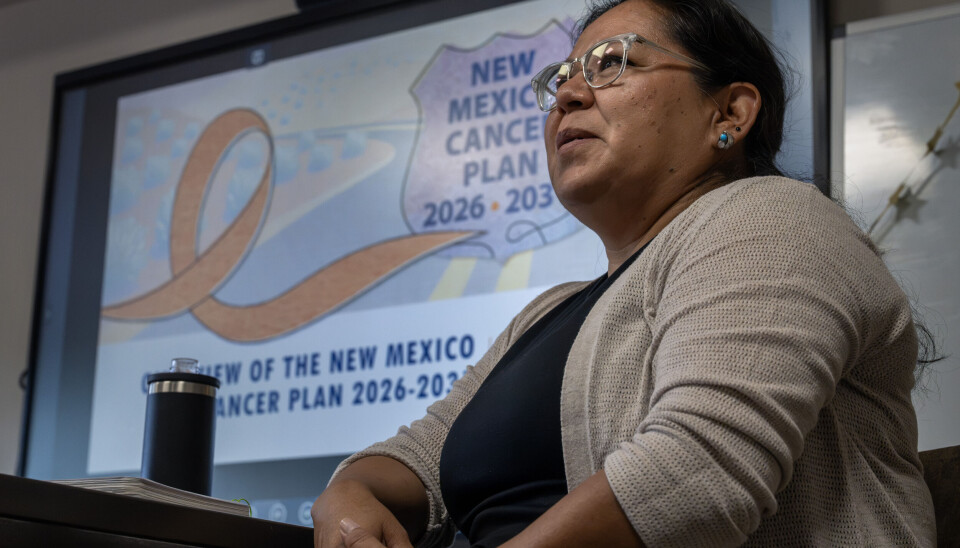
New Mexico has some of the lowest cancer screening rates in the country, according to the New Mexico Department of Health.
Laura McGough is the comprehensive cancer control program manager for the DOH. She said because of New Mexico's low screening rates, residents tend to be diagnosed with cancer in its later stages.
“Cancer is the second-leading cause of death for New Mexicans, so it's really important that we have strategies to address this burden and benefit everyone,� McGough said.
That's where the New Mexico Cancer Plan 2026-2031 comes in. The plan was developed by the New Mexico Cancer Council.
“We want it to be a living, working document. We want people to take it, and use it, and apply it to the work they do,� said Remona Benally, chair of the New Mexico Cancer Council.
The council is comprised of state health officials, cancer survivors, family caregivers and cancer care center officials from around the state.
The plan has five chapters that cover subject matter like the burden of cancer in New Mexico, prevention, risk reduction and survivorship.
Within those chapters, early detection and screening, informed decision-making, elimination of disparities, access to care, quality of life, and effective coordination and collaboration among cancer control organizations are all topics.
Objectives
Objectives included in the plan include reducing the leading preventable causes of cancer, such as smoking nicotine products and alcohol consumption. The plan aims to promote quitlines and inform the public of the increased cancer risks that these products cause.
Another objective of the cancer plan is to increase immunization rates for vaccines shown to reduce cancer risk — the HPV vaccine can prevent cervical, penile and oropharyngeal cancers.
Due to New Mexico's low cancer screening rates, some objectives specifically target improvement in that area, with the goal of improving early detection and management.
Rural communities
Benally said that rural communities are a target for the cancer plan.
“We have to keep in mind our rural communities, folks who have to travel quite some ways away not just to see a doctor but to get any type of treatment or care,� she said.
The plan reports that getting cancer care in rural communities can be a burden. A strategy to address that burden includes expanding telemedicine oncology services to reduce travel and increase funding for mobile cancer clinics.
Personal stories
The plan also includes several personal narratives.
One story included in the plan was of Cynthia, a Las Cruces woman who has a history of breast cancer in her family. She was referred for an ultrasound, but due to her young age, 26, she was talked out of it. She later noticed a lump and was then diagnosed with Stage 2 breast cancer.
“Having cancer is financially difficult. There are resources available, but they are hard to find,� Cynthia wrote.
The cancer plan also features stories from healthcare professionals.
Jeanna is a registered advanced practice nurse. She wrote about providers' struggles.
“Providers are doing their best, but the volume of patients and complexity of cases often exceed what the current workforce can manage,� wrote Jeanna.
‘Reduce cancer mortality’
The overall goal of New Mexico’s cancer plan is to “reduce cancer mortality through policy and system changes that support integrated, patient-centered and fully staffed health services for cancer screenings, diagnosis, care and treatment.�
Dr. Barbara McAneny, a medical oncologist with the New Mexico Cancer Center, said healthcare officials need to work together to improve survival rates.
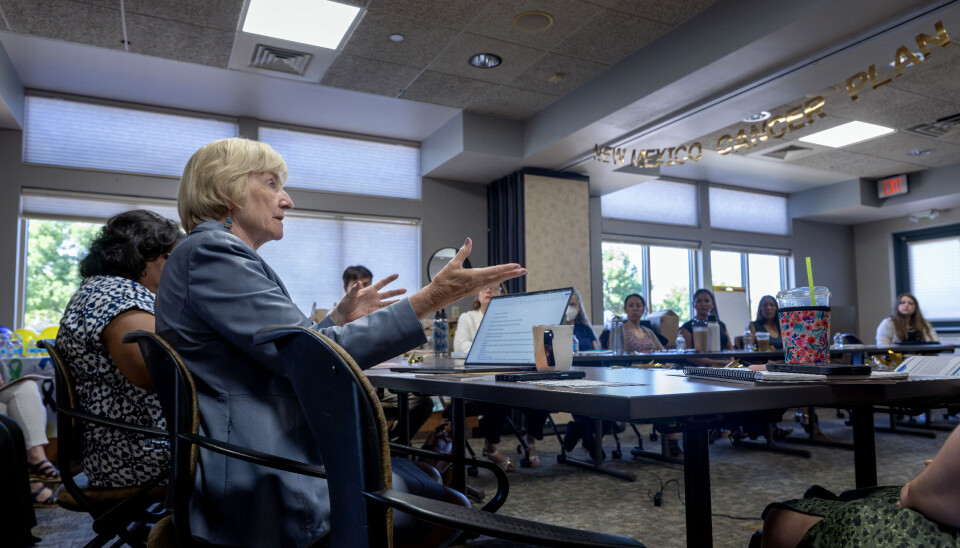
“A cancer plan is just a plan. And now comes the real work of how do we take this plan and how do we continue to improve it. What did we leave out?� McAneny said. “It takes an army, and guess what? You all just got drafted.�
Isabella Campbell is an intern with the New Mexico Local ½ü¾àÀëÄÚÉäºÏ¼¯ Fellowships and Internships Program, which places emerging journalists in newsrooms across New Mexico. Learn more at . She can be reached at icampbell@abqjournal.com.


