Featured
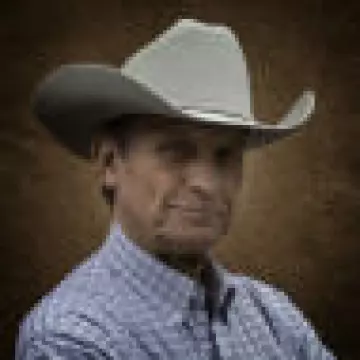
Late author John Nichols had a passion for writing, fishing, human rights and his Taos home


Published
Modified
In March 1988, a large crowd was gathered in front of Santa Fe鈥檚 Lensic Theatre, waiting to see producer-director Robert Redford or actress Sonia Braga as they arrived for the premiere showing of 鈥淭he Milagro Beanfield War.鈥�
A man with longish blond hair and a youthful look that mocked his 40-something years walked up, nodded at an Albuquerque newspaper reporter he recognized and asked if the mob was the line to get into the theater.
鈥淭his is just a people-watching crowd,鈥� the reporter said. 鈥淏ut I don鈥檛 think you have to wait in line. I bet you can just go on in.鈥�
And that鈥檚 what John Nichols, the author of the book the movie is based on, did.
鈥淭here was nothing phony about John at all,鈥� said Jack Loeffler, writer, oral historian, musician and Nichols鈥� friend. 鈥淗e was about as real as anyone I knew. He was a total straight shooter. He said it like he thought it 鈥� fearlessly.
鈥淲hat I liked about his writing is that it came from his heart and was interpreted through his intellect, which was not insignificant.鈥�
Nichols, the author of more than 20 books of fiction and nonfiction and a longtime resident of Taos, was found dead in his Taos home on Monday. He was 83.
Survivors include his daughter Tania Harris; son-in-law Marco Harris; son Luke Nichols; three granddaughters, Lucy Nichols, Solana Harris, Sierra Harris; and a brother, Tim Nichols.
Passion for humanity
Nichols was born in Berkeley, California, but he moved around a lot in the early part of his life. He resided at one time or the other in Connecticut, Vermont, Long Island, Virginia, New York and Washington, D.C.
In the late 鈥�60s, he moved from New York to Taos with his first wife. Nichols was married and divorced three times.
鈥淗e immersed himself in the unique culture of northern New Mexico, particularly its Hispanic inhabitants,鈥� said David Dunaway, who directed the writing program at the University of New Mexico and is the author of 鈥淲riting the Southwest,鈥� originally published in 1995, which includes a chapter on Nichols.
Dunaway especially recommends the 1978 novel 鈥淭he Magic Journey,鈥� which, along with 1974鈥檚 鈥淭he Milagro Beanfield War鈥� and 1981鈥檚 鈥淭he Nirvana Blues,鈥� make up Nichols鈥� New Mexico Trilogy.
鈥溾�橳he Magic Journey鈥� tells the story of the Taos Valley and how it was commercially developed at the expense of rural, local families who had lived there for generations,鈥� Dunaway said.
That鈥檚 also the theme of 鈥淭he Milagro Beanfield War,鈥� in which a rebel bean farmer battles a huge development company for the water he needs to irrigate his fields.
鈥淛ohn had a passion for humanity and enacted that in his writing by trying to create a consciousness of the struggles of the masses of people on this planet and the struggle of the planet to survive,鈥� Dunaway said.
Loeffler said that in 鈥淭he Milagro Beanfield War,鈥� Nichols was the first person he is aware of who made a community the hero of the story.
鈥溾�楳ilagro鈥� is a beautiful piece of magic realism,鈥� he said. 鈥淏ack then, Hispano culture was not as highly regarded as it is now. But John got the beauty of the culture because his neighbors at his first house (in Taos) were all Hispano and they got to be good friends.鈥�
Radical nature
Loeffler, 87, recently moved from New Mexico to Durango, Colorado. He knew Nichols for more than 40 years and included the Taos writer in his 1989 book 鈥淗eaded Upstream: Interviews With Iconoclasts.鈥�
He said he and Nichols got together regularly before the illness of Loeffler鈥檚 wife, who died in February, restricted Loeffler鈥檚 movements the last few years.
鈥淛ohn came down to our house in Santa Fe until about 1995, but after that I tried to get up to Taos a couple of times a year and go out with John and talk,鈥� Loeffler said. 鈥淗e being, at least at one time, an avowed Marxist and me being somewhat of an anarchist, we had a lot to talk about and a fair amount of wine. We talked about music, we talked about other people鈥檚 writings. I introduced him to Ed Abbey.鈥�
Abbey (1927-1989), the author of novels such as 鈥淭he Monkey Wrench Gang鈥� and nonfiction such as 鈥淒esert Solitaire,鈥� was an advocate for the environment who had anarchist political views.
鈥淓d and I were getting back from a camping trip and John was in Albuquerque. We met at the Howard Johnson,鈥� Loeffler said. 鈥淭he first 10 minutes were interesting 鈥� two writers (Abbey and Nichols) sizing each other up. Gradually we got into talking about things, a good 2陆 hours at the Howard Johnson鈥檚. Ed鈥檚 big criticism was John talking about how important Marxism is.鈥�
Nichols took his radical politics seriously.
Taylor Streit, renowned New Mexico fishing guide, author of books about fishing, and founder in 1980 of the Taos Fly Shop, talked about an early meeting with Nichols at a Taos restaurant 30 or 35 years ago.
鈥淲e are sitting at a table and he is calling me an international bourgeois ... because I was making money as a fishing guide,鈥� said Streit, 76, who now lives in Caballo, south of Truth or Consequences.
鈥淭hat was the John I first knew. He changed so much. He became a kind, gentle old man. He just treated everybody the same.鈥�
Fearless fisherman
Streit and Nichols became good friends and fishing buddies.
鈥淲e drove around to book signings together about 10 years ago,鈥� Streit said. 鈥淲e would go to Las Vegas (New Mexico), Santa Fe, Albuquerque. We went to the Chama Book Fair. John sold $2,500 worth of books at Chama. I sold $800 worth. After the thing was over, we stopped at a cafe in Tierra Amarilla. I said, 鈥楯ohn, where鈥檚 your money.鈥� He said, 鈥業 don鈥檛 know. I don鈥檛 care.鈥� I had to go back to Chama and find the woman who had his money.鈥�
Streit said Nichols didn鈥檛 care much about money or material things. He said the house Nichols was living in when he died was somewhat of a disaster.
鈥淭he bulldozer is probably there today,鈥� he said. 鈥淵ou had to move a bunch of books around just to find a place to sit. And something else I鈥檝e noticed is that he wrote about eating a bologna sandwich in just about every book he did. He had the worst diet.鈥�
Streit said Nichols was a good fisherman and loved the sport.
鈥淲e talked a lot about fishing on the Rio Grande,鈥� he said. 鈥淧eople thought I was the king of the Rio Grande, but he was the one who would go on (river) trails you almost needed a rope to get down. He fished obscure places I鈥檝e never fished and, probably, never will.鈥�
Incessant writer
But what Nichols was at his core was a writer. He was famous for writing through the night in his Taos home, sleeping until early afternoon the next day, taking care of chores and perhaps visiting with friends at a cafe and then getting back to his work.
Besides 鈥淭he Milagro Beanfield War,鈥� two of his novels, 1965鈥檚 鈥淭he Sterile Cuckoo鈥� and 1966鈥檚 鈥淭he Wizard of Loneliness,鈥� were made into his movies.
His last book, 鈥淚 Got Mine: Confessions of a Midlist Writer,鈥� was published by the University of New Mexico Press in 2022. His daughter Tania said that even though her father鈥檚 heart was failing, he continued writing to the end, working on essays, speeches, something he called riffs and reworking an unpublished novella he had written years back.
Loeffler said Nichols had a storage shed filled with about 80 of his unpublished manuscripts.
In the mid-90s, Dunaway invited Nichols to be a visiting writing teacher at UNM.
鈥淚t was the only college he every taught at,鈥� Dunaway said. 鈥淗e assigned his class to write eight short stories. Can you imagine assigning eight short stories to undergraduates in one semester.
鈥淗e came to me about halfway through the semester and complained he wasn鈥檛 getting much writing done. I said to him, 鈥楯ohn, not every writing instructor here requires eight stories, nor do they write two and three pages, single-spaced, of comments on each story. You don鈥檛 have to do that.鈥� He told me, 鈥楧avid, that鈥檚 the only way I can teach.鈥欌��
Tania Harris said they had been working on moving her father to Albuquerque, where she lives.
鈥淏ut he kept putting it off,鈥� she said. 鈥淭aos was his town. It was hard for him to visualize moving.鈥�
She said her father did not want any kind of memorial service, but there will be a celebration of life at a date yet to be determined.
鈥淗e was a 鈥榢eep it simple鈥� kind of guy,鈥� she said. 鈥淗e didn鈥檛 want us spending any money. But this is not a decision he gets to make.鈥�


