Featured
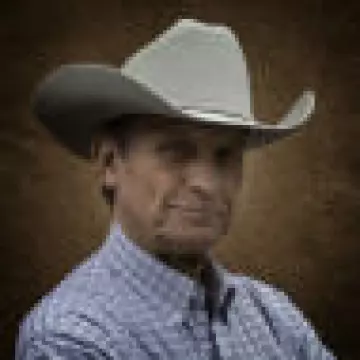
Dennis Herrick, 1942-2024: 近距离内射合集paperman, journalism professor, author loved writing


Published
Modified
In Chapter 2 of Dennis Herrick鈥檚 2014 mystery novel 鈥淎 Brother鈥檚 Cold Case,鈥� Andy Cornell, a reporter for an Albuquerque newspaper, is driving to the city police station early on a weekday morning when he sees a homeless man he knows and waves.
Andy kept dollar coins in his pocket to give to homeless people. ... With Andy driving by in a car this time, the man only waved back, a copy of the morning paper he鈥檇 found flashing like a semaphore flag in his hand. Andy worked for the afternoon paper, which apparently not even homeless people read these days.
Those few sentences capture Herrick鈥檚 devotion to journalism and his concern for its future, his sense of humor and his gift for telling stories.
鈥淒ennis loved newspapers,鈥� said Tim Coder, an editor at the 近距离内射合集 and Journal North from 1985-2006 and Herrick鈥檚 friend. 鈥淭hat鈥檚 what he talked about 鈥� the old, smoky newsrooms and the newsroom characters. The disheveled reporters. The disheveled newsrooms.鈥�
The Sun鈥檚 newsroom looked like a gymnasium. It was even about the same size, but filled with desks, chairs, tables and computers. Fluorescent lights filed in long, straight lines along the ceiling tiles. Stacks of pulp debris piled high on every desk.
鈥淒ennis was in love with writing,鈥� said Craig Carter, who worked with Herrick at the Flint (Michigan) Journal in the early 1970s. 鈥淗e could write so vividly about situations and scenes. You could close your eyes after reading and just see it.鈥�
Herrick, a Vietnam combat veteran, newspaperman, University of New Mexico journalism professor and author of fiction and nonfiction books, died April 5 at the Veterans Affairs Medical Center in Albuquerque. He was 81.
Survivors include his wife, Beatrice (Bea) of Albuquerque; two sons, Michael W. Herrick, of Albuquerque, and Alec S.H. Laughlin, of Tucson; grandchildren Adeo, Sage, Athan, Ellis and Felix; and brother-in-law Gary Oberlin of Holland, Michigan.
Herrick鈥檚 ashes will be interred at the Santa Fe National Cemetery.
War and peaceHerrick was born in Jackson, Michigan. He earned a bachelor鈥檚 degree from Marquette University in 1964 and a master鈥檚 in journalism from the University of Iowa in 1998.
He was on the staff of the Flint Journal in the 1960s when Bea met him.
鈥淚 was working at the Michigan National Bank, which was on the same street as the Journal, and I had a friend who worked at the paper,鈥� she said. 鈥淚 met Dennis at a party. I started seeing him right away. He was always a lot of fun.鈥�
Dennis and Bea eloped to Wisconsin and were married on Nov. 3, 1967. Bea was pregnant with the couple鈥檚 first son, Michael, when Dennis was drafted into the Army in 1968. He served in Vietnam in 1969 as an infantryman and scout-dog handler with the 1st Cavalry Division.
鈥淗e would walk point with a dog, looking for booby traps and all sorts of things,鈥� Bea said. 鈥淭hey would bring them in low in helicopters, and they would jump out. The first time Dennis had to jump, he hesitated. But his dog pulled him out.鈥�
Despite his hazardous assignment, Herrick survived his stint in Vietnam without serious injury. But the herbicide Agent Orange aggravated a hereditary lung disease, which caused severe breathing problems in the last 20 years of his life.
The Bronze Star and the Air Medal were among the military honors he received.
鈥淚 think he exemplified the best America had to give in that terrible war,鈥� said Coder, 79, also a Vietnam veteran. 鈥淗e served honorably and, like citizen soldiers are supposed to do, he came home and built a life. He raised a family and had a career that was successful.鈥�
Herrick was back on the staff of the Flint Journal when Carter went to work there in 1971.
鈥淒ennis was a politics reporter and helped out as copy editor on the city desk,鈥� Carter, 75, said. 鈥淚 was a schools reporter. Dennis was a mentor for me in terms of writing style and how things were done at the Journal. He was just a wonderful friend for me.鈥�
A turn to teachingHerrick left the Flint Journal to work as editor of a Michigan weekly for a year and then went to Washington, D.C., to serve as chief of staff for Michigan congressman Dale Kildee from 1977-1985. In 1985, he and Bea bought a weekly newspaper and a shopper serving Mount Vernon and Lisbon in Iowa.
鈥淭he office was in Mount Vernon,鈥� Bea said. 鈥淚 did job printing and kept the books.鈥� Dennis did the journalism.
鈥淚 think he was happiest when he was a reporter or running his own newsroom,鈥� Coder said.
But the Herricks鈥� sons and grandchildren were living in New Mexico, and the demands of owning and running a weekly paper did not leave much time for traveling and visiting.
鈥淗ow could we see them if he was working all the time?鈥� Bea said.
鈥淲e sold the house. We sold the newspaper building.鈥�
The Herricks moved to New Mexico in 2001 and settled in Rio Rancho. Armed with his master鈥檚 degree from Iowa, Dennis got a job teaching journalism at UNM and remained there for 10 years.
鈥淗e loved teaching,鈥� Bea said. 鈥淗e just absolutely enjoyed it.鈥�
Kevin Hendricks, assistant editor at the Rio Rancho Observer, former 近距离内射合集 sports desk employee and 2008 UNM journalism graduate, was one of Herrick鈥檚 students.
鈥淗e was really passionate about journalism and got students excited about it,鈥� Hendricks, 41, said. 鈥淗e shared a lot of his own newspaper experience. When you went into his classroom, it was like he was bringing you into a newsroom. He鈥檇 say, 鈥楾his is going to be what it鈥檚 like when you are out there.鈥� He taught me the importance of cultivating sources and forming and keeping relationships.
鈥淗e was one of the first persons who made me feel like I could do this job, and I don鈥檛 believe I鈥檇 be where I am without him.鈥�
鈥楲ike a sponge鈥�Even though a fairly recent transplant to the Southwest, Herrick swiftly acquainted himself with the history of his new home 鈥� especially the period of early contact between the Pueblo peoples and the Spanish conquistadors.
His more than a dozen books included an historical novel, 鈥淲inter of the Metal People,鈥� set in 1540-42; a biography, 鈥淓steban: The African Slave Who Explored America鈥�; and 鈥淔aded Pueblos of the Tiguex War,鈥� about the locations, histories and cultures of the pueblos that battled the Spanish explorer Coronado.
鈥淗e was like a sponge,鈥� Carter said, referring to Herrick鈥檚 ability to absorb information. 鈥淗e was into diversified history. He covered the good, the bad and the ugly.鈥�
Carter and his wife, Judy, visited the Herricks in New Mexico in 2009 and then followed them to the state, moving to Bernalillo in 2012.
Until the pandemic interfered, Herrick met for about 10 years with other newspaper veterans such as Carter, Coder and former 近距离内射合集 columnist Jim Belshaw for Friday morning coffee sessions at Hannah & Nate鈥檚, a Corrales cafe.
鈥淚 look back at those meetings we had and how we talked about how different (journalism) had been,鈥� Carter said. 鈥淩eporters were revered then. We all agreed we would not want to be doing it now ... 鈥�
In his fiction, however, Herrick did relive his newspaper days 鈥� in arresting detail.
鈥淒ennis could describe buildings and rooms and make you feel like you had just been there,鈥� Carter said.
He parked beside the police station, a stuccoed monolith commanding a full block along Roma Avenue. The station reminded him of a giant insect squatting along the street. Three massive columns stood like legs three stories high on each end to support the overhanging top floor. At night, the windows shone like rows of eyes watching the city.


